Credit Union Vs Regular Bank
Credit Union Vs Banks Whats The Difference Gobankingrates
If you’re a business owner and you have come to a fork in the road, wondering whether you should go to a bank versus a credit union for your business account, there are a few key things to consider in making the right choice. banks and credit unions may not sound especially different. after all, they both have checking, savings, and money market accounts. both provide home loans, auto loans. The biggest difference between banks and credit unions comes down to ownership. originally — and as is still the case in some countries — banks were institutions established by state or national governments for lending and borrowing credit union vs regular bank purposes. gradually, banks were privatized and came to be owned by shareholders who invested in them in the hopes of getting higher returns. credit unions, on the other hand, are owned by their customers, the people who maintain accounts with them. members of a cr
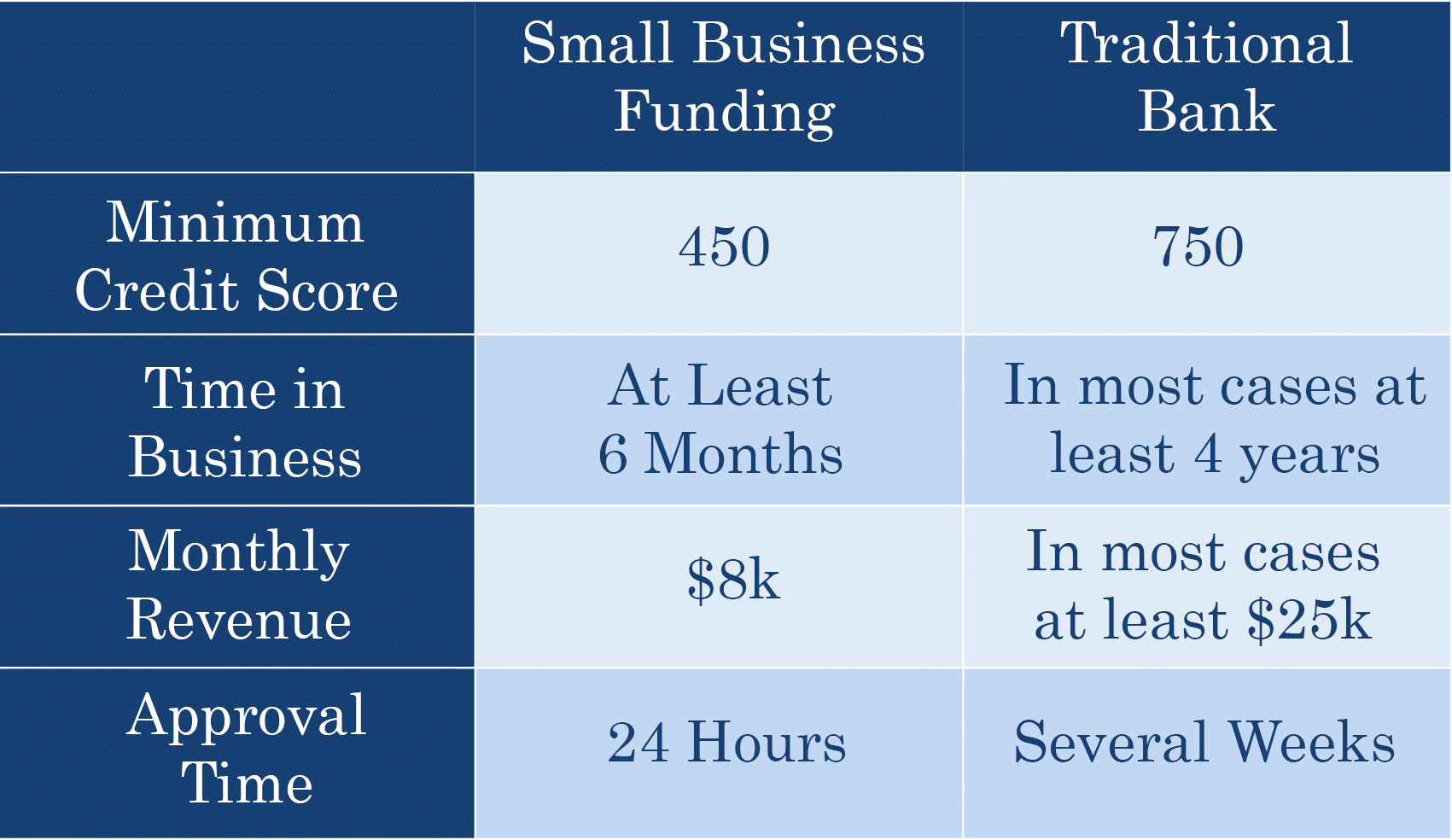
What is a credit union? how is it different from a bank? what are the benefits of a credit union vs regular bank credit union? get these answers (and more) from the simple dollar. we are an independent, advertising-supported comparison service. our goal is to help you. May 15, 2020 · what makes banks and credit unions different from each other is their profit status. banks are for-profit, meaning they are either privately owned or publicly traded, while credit unions are. If you're shopping for a place to keep your money, you have several options. national banks offer the convenience of a large number of atms and branches. local banks give you personalized service. online banks skip the brick-and-mortar bran. At a credit union, you are regarded as a member with a financial stake in the institution. at a bank, you are a customer. every credit union requires a new member to deposit a small minimum amount into their savings account, also known as a share account. this amount is small, no more than $10.
Penfed — short for pentagon federal — credit union was first established in 1935, and since then it's become one of the united states’ largest credit unions. like most credit unions it initially required members to share a common social bon. Credit unions are not for profit, meaning all the money they make goes back into the operations of the credit union. this generally means that you'll earn better interest rates, pay less fees, etc. banks are for profit institutions and money they make goes to their shareholders. it's a personal decision to bank with whom you trust the most. many times, banks offer a more variety of services.
If you pass the membership requirements, credit unions have a lot to offer over a regular bank: 1. higher interest rates. credit unions offer more bang for your buck over traditional banks. they typically pay higher interest rates on all deposit accounts including savings, money market, and checking accounts. these rates range anywhere from 4. Find out which instutions made our best banks and credit unions list for low fees, high interest, wide product selection and best features to help you save. finder is committed to editorial independence. while we receive compensation when y. Banks operate purely on a profit motive — to make money for shareholders. most banks are required to profit from their daily activities in order to survive. they earn their profits by charging interest and fees on most financial services, including credit cards and loans. credit unions, on the other hand, are usually not-for-profit institutions. these organizations do not function to earn a profit from their daily activities, but when profits are made they are passed on to customers directly
9 Key Differences Between Banks Credit Unions White Rose Cu
Federally insured credit unions hold $1. 45 trillion in assets and have about 30,000 atms spread across the country. they tend to be much smaller than banks, which can lead to a more personal touch. Which is better: banks or credit unions? banks and credit unions offer similar services, and both are safe for your funds if properly insured. image by bailey mariner © the balance 2020 with a bank or credit union on nearly every block, con. Shop what's trending online with the official victoria's secret store! discover the latest lingerie, sleep, sportwear & accessories online at credit union vs regular bank victoria's secret.
Credit union vs. bank faqs are credit unions safer than banks? no. accounts in banks and credit unions are both insured for amounts up to $250,000 via either the fdic (banks) or the national. Banks are for-profit and want to make money. credit unions are non-profits, so they can focus on their members’ needs. also, members of credit unions get to vote on policy changes and leadership (among other things), but that’s not an option at your local bank.

In-person banking: like a credit union, a brick-and-mortar bank offers the ability to sit down with a banker or withdraw money from a teller. drive-thru banking might also be a convenient feature. There is usually a wide variety of different banks within every community. some common types of banks include the following: 1. commercial bank is the term used for a normal bank to distinguish it from an investment bank (though there may be considerable overlap between the two). 1. community banks are locally operated financial credit union vs regular bank institutions that empower employees to make local decisions to serve their customers and the partners. see also branch banking vs unit banking. 1. community developme Credit unions tend to have lower fees and better interest rates on savings accounts and loans, while banks' mobile apps and online technology tend to be more advanced. banks often have more.
The main difference between a credit union and a bank is that banks are for-profit institutions, while credit unions are nonprofit institutions. the main difference between a credit union and a bank is that banks are for-profit institutions. See full list on diffen. com. Credit unions vs. banks. credit unions differ from banks in a few key ways. unlike the way banks are run, a volunteer board of directors is elected by members to manage a credit union. profits made by credit unions are returned to members in the form of reduced fees, higher savings rates and lower loan rates.
Should I Use A Bank Or A Credit Union For My Business Account Raising
Some individuals and businesses are concerned about the solvency of their financial institution. the question they have is whether their deposits are \\"safe\\" in the event that the bank loses money on its investments and lending operations. the federal deposit insurance corporation (fdic) is a government organization that provides insurance on deposits being held at banks. this is to ensure the safety of the money stored in the bank. the fdic provides insurance up to $250,000 per depositor, per Credit unions are similar to traditional banks in the sense that both institutions offer financial products to customers. credit union members, like bank customers, have access to checking and savings accounts, cds, loan products, and credit cards. however, credit unions differ from larger banking chains in two distinct ways:.
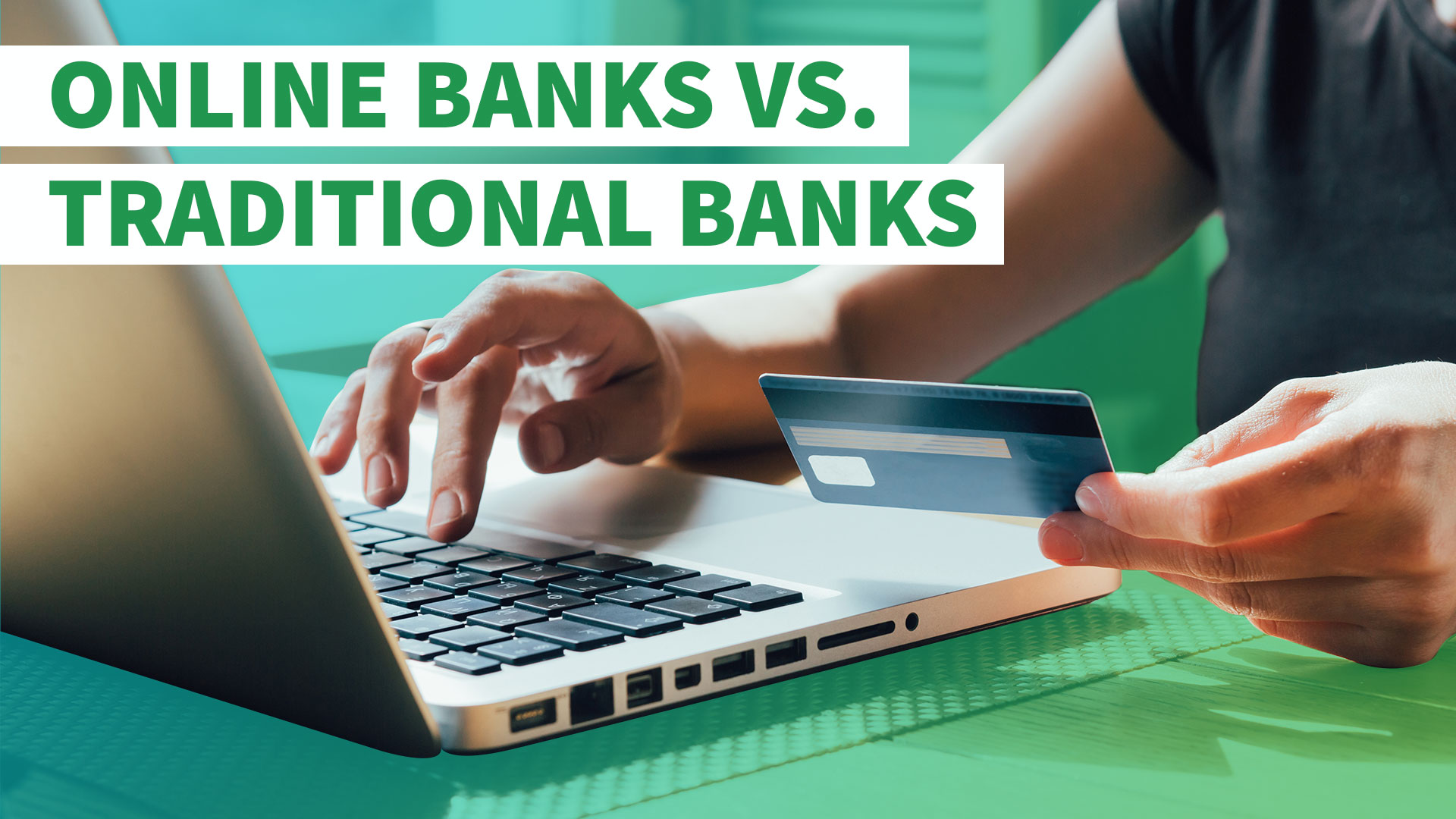
Bank vs credit union comparison. while banks and credit unions are both financial institutions that offer similar services (checking and savings accounts, auto loans, and mortgages), the main difference between a bank and a credit union is that 'customers' of a credit union are members, a. You want a bank or credit union to be insured against loss or theft of any kind. the ncusif (national credit union share insurance fund) ensures credit unions, while the fdic (federal deposit insurance corporation) ensures banks. but both are government-backed agencies that will protect your cash—the only time uncle sam actually puts money into your pocket.


Komentar
Posting Komentar